
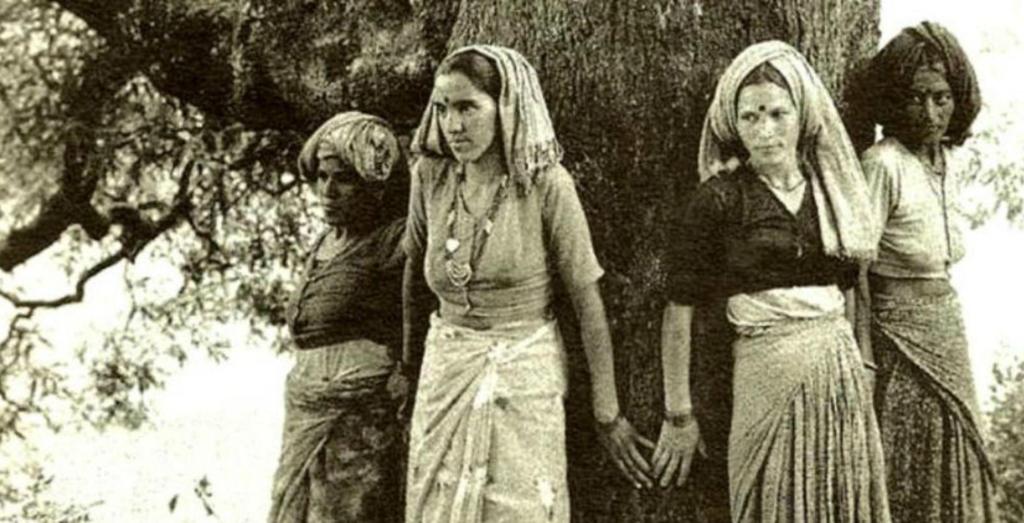
Cause of Chipko Movement
The Chipko movement was inspired by a number of factors, including:
- The rapid depletion of forests in the Indian Himalayas, which was threatening the livelihoods of local communities and causing environmental degradation.
- The growing awareness of the importance of conservation and sustainable development.
- The failure of the government to adequately address the issue of deforestation.
- The influence of Mahatma Gandhi’s philosophy of non-violent resistance.
- The efforts of local leaders and activists, who organized the movement and rallied support for its cause.
Overall, the Chipko movement was a response to the urgent need to protect the forests and the communities that depend on them, and to promote a more sustainable and environmentally responsible approach to development.
The Chipko movement had a number of significant effects, both in India and internationally. Some of the most important impacts of the movement include:
- The Chipko movement brought about a temporary ban on logging in certain areas of the Indian Himalayas, which helped to protect the forests and the communities that depend on them.
- The movement raised awareness of the importance of conservation and sustainable development, and inspired similar movements around the world.
- The Chipko movement contributed to the development of new policies and laws related to the management and protection of forests in India, including the Forest (Conservation) Act of 1980.
- The movement helped to build a sense of community and solidarity among local residents, and empowered them to take action to protect their own interests and defend their rights.
- The Chipko movement demonstrated the effectiveness of non-violent resistance and civil disobedience as a means of bringing about social and political change.
The Chipko movement was a significant and influential environmental movement that had a lasting impact on the Indian Himalayas and beyond. Through its use of non-violent resistance and civil disobedience, the movement was able to bring about changes in policy and law that helped to protect the forests and the communities that depend on them. The movement also raised awareness of the importance of conservation and sustainable development, and inspired similar movements around the world. Today, the legacy of the Chipko movement continues to be felt in India and beyond, as people continue to work towards protecting the environment and promoting sustainable development.
Role of Sundarlal Bahuguna In Chipko Movement
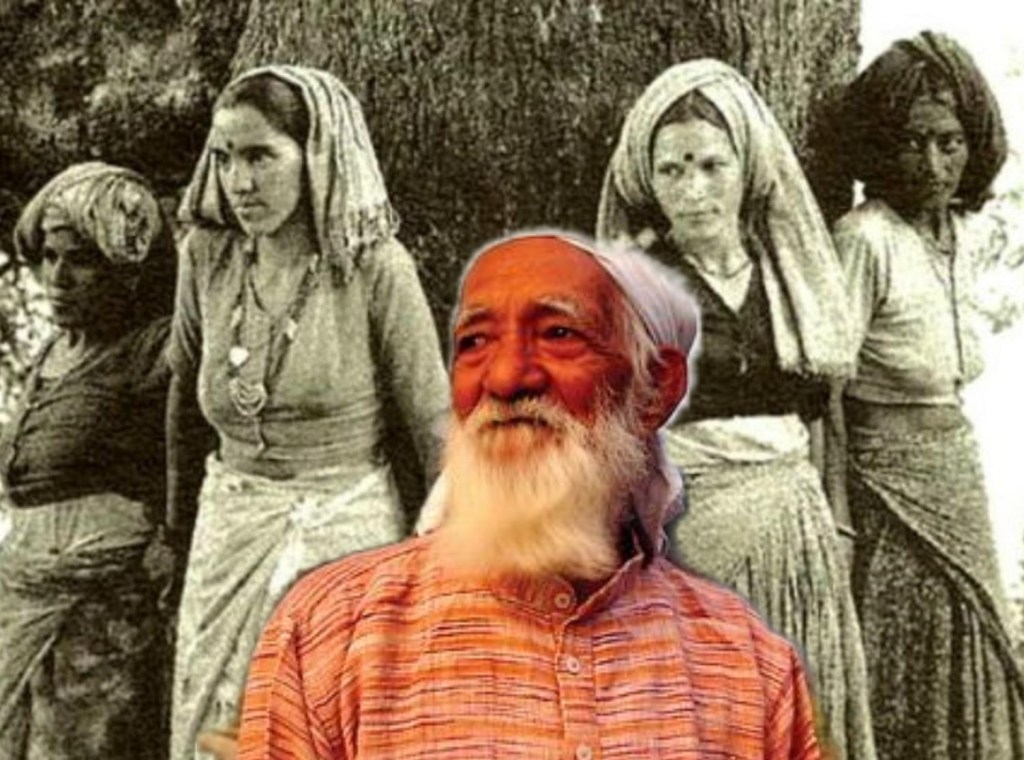
Sundarlal Bahuguna was an Indian environmentalist and social activist who played a leading role in the Chipko movement, a grassroots environmental movement that originated in the Indian Himalayas in the 1970s. Bahuguna was born in 1927 in the Tehri district of Uttarakhand, and he became involved in the Chipko movement in the early 1970s, after witnessing firsthand the devastating impact of deforestation on the region’s forests and communities.
Bahuguna was a key figure in organizing and mobilizing support for the movement, and he played a central role in the campaign to ban logging in certain areas of the Indian Himalayas. He was also an influential advocate for the rights of local communities and for the importance of conservation and sustainable development.
Bahuguna’s efforts to protect the forests and promote sustainability earned him widespread recognition, including the Right Livelihood Award, also known as the “Alternative Nobel Prize,” in 1987.

