
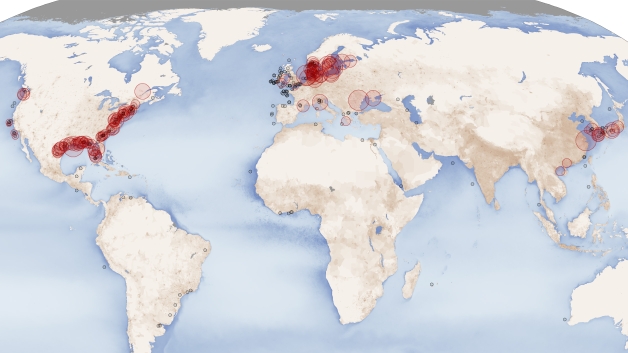
What is Dead zone?
Dead zones are low-oxygen areas in the world’s oceans and large lakes. Hypoxia occurs when dissolved oxygen concentration falls to or below 2 mg of O2/liter. When a body of water experiences hypoxic conditions, aquatic flora and fauna begin to change behavior in order to reach sections of water with higher oxygen levels. Once dissolved Oxygen declines below 0.5 ml O2/liter in a body of water, mass mortality occurs. With such a low concentration of dissolved Oxygen, these bodies of water fail to support the aquatic life living there.
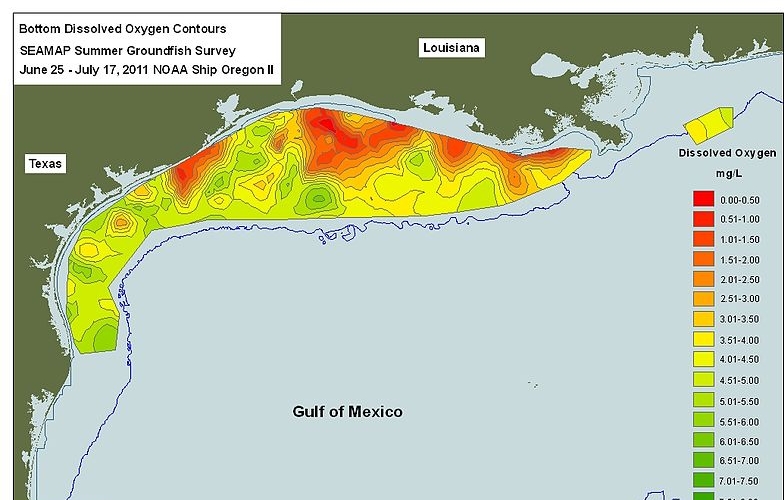
Root Cause of Ocean Dead Zone
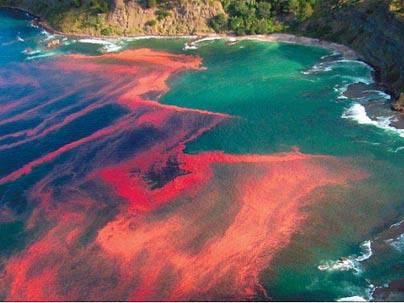
When a body of water gets too many nutrients, such as phosphorus and nitrogen, then it Boost rapid growth of an organism called cyanobacteria, or blue-green algae. Due to this blance of local biological diversity decrease and consumption of oxygen increase. Yes , it create a dead zone.
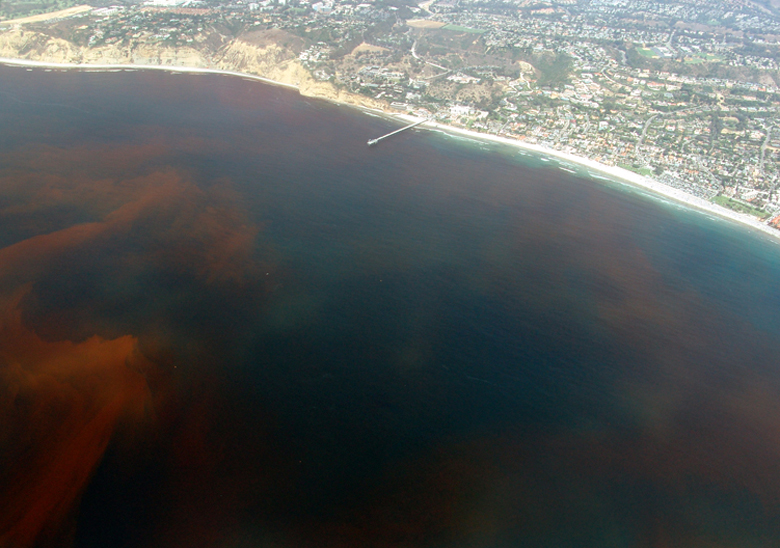
Dead Zone Formation Process
Zooplankton, small animals that spend most of their lives drifting in water, gobble the abundant phytoplankton, and then small fish consume the zooplankton. The rapid increase in algae produces more animal waste—feces and plankton corpses.
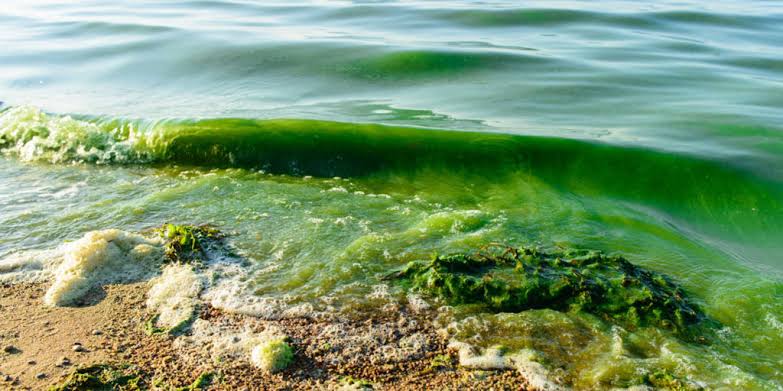
Bacteria munch on the animal waste and dying algae that rain onto the ocean floor. The bacterial process of decomposition sucks up oxygen from the water, lowering the amount that remains available.
Freshwater, washed into the sea from the agricultural lands by rivers , floats near the surface of the ocean because it is less dense, and therefore more buoyant than the saltwater. This stratification, or layering, prevents oxygen mixing between the freshwater and saltwater layers.
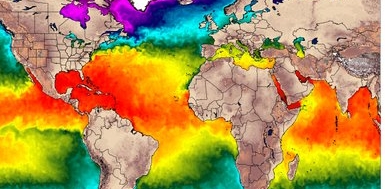
A warming climate could lead to more rainfall in the Mississippi watershed, exacerbating nutrient run-off problems. Additionally, warm water naturally carries less oxygen than cooler water, making it easier for dead zones to form with climate change.

