
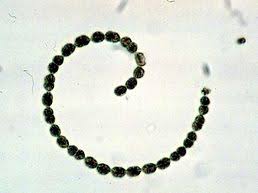
Phytoplankton are microscopic, aquatic organisms that are capable of photosynthesis. They are a type of plankton, which are small organisms that drift or float in the water column of lakes, oceans, and other bodies of water. Phytoplankton are an important part of the aquatic food chain and play a crucial role in the Earth’s carbon cycle. They absorb carbon dioxide from the atmosphere and release oxygen as a byproduct of photosynthesis, which makes them a key component of the global oxygen cycle. Phytoplankton are also the primary producers in many aquatic ecosystems, meaning that they provide food and energy for other organisms in the ecosystem.
Lifecycle of photoplankton
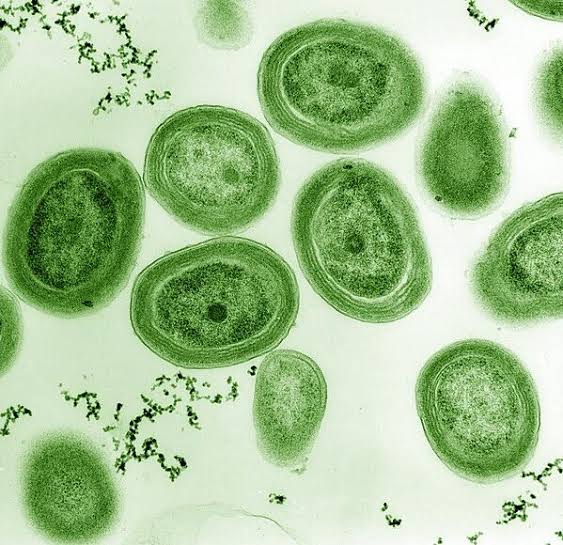
The lifecycle of phytoplankton can vary depending on the specific type of phytoplankton, but most species follow a similar pattern.
- Reproduction: Phytoplankton reproduce through a variety of means, including cell division, spores, and the production of seeds or offspring.
- Growth: Phytoplankton grow by using sunlight and nutrients from the water to produce energy and build new cells.
- Dispersal: Phytoplankton can disperse through a variety of means, including being carried by currents, winds, or waves.
- Predation: Phytoplankton are often preyed upon by other organisms in the aquatic food chain, including zooplankton, small fish, and larger animals.
- Death: Phytoplankton eventually die and decompose, releasing nutrients back into the water.
The lifecycle of phytoplankton can be affected by a variety of factors, including temperature, nutrient availability, and predation. Some phytoplankton species have short lifespans and can complete their lifecycle in just a few days, while others can live for months or even years.
Role of photoplankton in our ecosystems
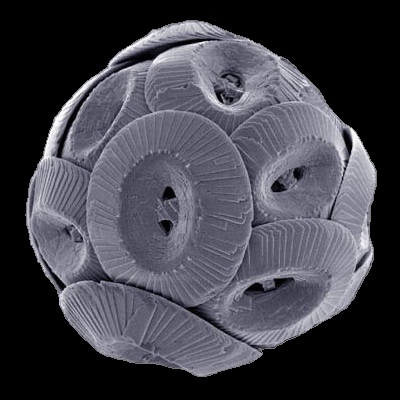
Phytoplankton play a vital role in the health and functioning of aquatic ecosystems. They are the primary producers in many aquatic ecosystems, meaning that they provide food and energy for other organisms in the ecosystem. Phytoplankton are an important food source for zooplankton, small fish, and other animals, and they support the entire food chain in the aquatic environment.
In addition to their role as primary producers, phytoplankton also play a key role in the Earth’s carbon cycle. They absorb carbon dioxide from the atmosphere and release oxygen as a byproduct of photosynthesis, which makes them an important component of the global oxygen cycle. The process of photosynthesis also removes carbon dioxide from the atmosphere, which helps to regulate the Earth’s climate.
Phytoplankton can also affect the appearance and health of aquatic environments. Large blooms of phytoplankton can change the color of the water and can produce toxins that can be harmful to other organisms. On the other hand, healthy phytoplankton populations can help to improve water quality and clarity.

