
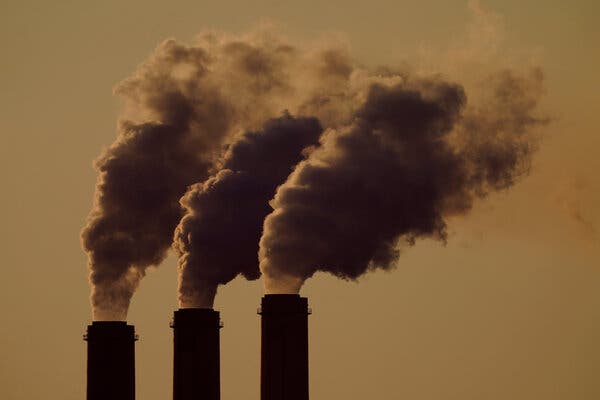
A carbon footprint is a measure of the impact that an individual or organization has on the environment in terms of the amount of greenhouse gases produced, particularly carbon dioxide. It is calculated by adding up all of the sources of greenhouse gas emissions associated with an individual or organization’s activities, including electricity use, transportation, and the production and consumption of goods and services. The carbon footprint can be used to understand the impact of an individual or organization’s actions on climate change and to identify ways to reduce that impact.
Cause of increasing carbon emissions
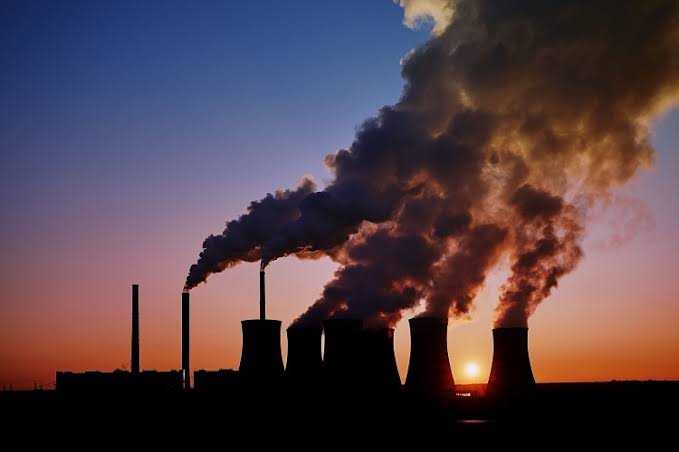
There are many factors that contribute to an increase in an individual or organization’s carbon footprint. Some of the main drivers of increasing carbon emissions include:
- Increased energy consumption: As societies become more industrialized and reliant on technology, energy consumption tends to increase, which can lead to higher greenhouse gas emissions.
- Transportation: The burning of fossil fuels for transportation, such as gasoline and diesel, is a major source of carbon dioxide emissions.
- Industrial processes: Many industrial processes, such as the production of cement and steel, are energy-intensive and can contribute to greenhouse gas emissions.
- Deforestation: Trees absorb carbon dioxide from the atmosphere as they grow, so when forests are cleared, the carbon stored in the trees is released back into the atmosphere, contributing to an increase in carbon emissions.
- Land use changes: Changes in land use, such as the conversion of grasslands or forests to cropland or urban areas, can also contribute to an increase in carbon emissions.
Gasses that responsable for carbon emissions
The top five greenhouse gases that contribute to an individual or organization’s carbon footprint are:
- Carbon dioxide (CO2): This is the most well-known greenhouse gas and is emitted through the burning of fossil fuels, such as coal, oil, and natural gas, as well as through the production of cement and other industrial processes.
- Methane (CH4): Methane is emitted through the decomposition of organic matter in landfills, the production of coal, oil, and natural gas, and through the digestive processes of livestock.
- Nitrous oxide (N2O): Nitrous oxide is emitted through the use of synthetic fertilizers in agriculture, the burning of fossil fuels, and the production of nitric acid.
- Fluorinated gases: These gases, which include hydrofluorocarbons (HFCs), perfluorocarbons (PFCs), and sulfur hexafluoride (SF6), are emitted through a variety of industrial processes and are often used as refrigerants.
- Chlorofluorocarbons (CFCs): CFCs were once widely used as refrigerants and in the production of foam products, but their use has been phased out due to their damaging impact on the ozone layer. However, CFCs can still be found in some older products and can be emitted into the atmosphere as they break down.
How to reduce carbon footprint

There are many ways to reduce an individual or organization’s carbon footprint. Some options include:
- Energy conservation: Using energy-efficient appliances and lighting, and reducing energy consumption through behaviors like turning off lights and electronics when not in use, can help reduce greenhouse gas emissions.
- Renewable energy: Using renewable energy sources, such as solar or wind power, instead of fossil fuels can significantly reduce carbon emissions.
- Transportation: Using public transportation, carpooling, or walking or biking instead of driving alone can reduce carbon emissions from transportation.
- Planting trees: Trees absorb carbon dioxide from the atmosphere, so planting trees or preserving forests can help offset carbon emissions.
- Supporting sustainable agriculture: Choosing products that are grown or raised using sustainable practices, such as organic farming, can reduce the carbon emissions associated

